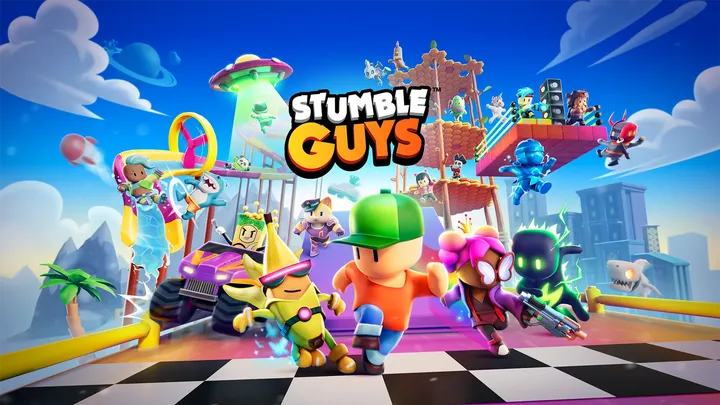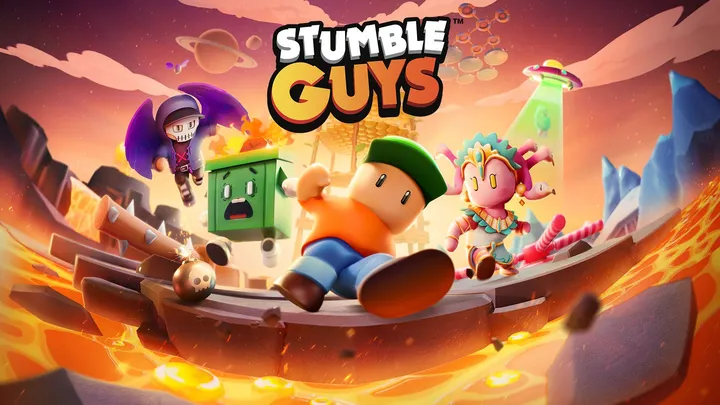





Stumble Guys became one of the most popular multiplayer party games because of its chaotic gameplay, colorful maps, and fast matchmaking. Millions of players jump into obstacle races every day expecting quick fun and competitive excitement. However, one issue continues to frustrate both casual and experienced players: unfair matchmaking in competitive modes.
Many players believe that matches often feel unbalanced. Beginners are placed against highly experienced opponents, while skilled players often encounter bots or weak competition. This issue becomes even more noticeable during ranked events, tournaments, and limited-time competitive modes where rewards matter more.
The matchmaking system in Stumble Guys is designed to prioritize fast queue times over balanced competition. While this keeps matches quick and accessible, it can create frustrating gameplay experiences. Players who want fair progression often feel punished instead of rewarded for improving their skills.
This article explores why matchmaking in Stumble Guys feels unfair, how the system affects players over time, and what developers could improve to create a better competitive environment.
The Early Days of Stumble Guys Matchmaking
When Stumble Guys first gained popularity, matchmaking was extremely simple. The game focused on filling lobbies quickly rather than carefully analyzing player skill levels. At the time, this worked because most players were beginners learning the maps together.
The early matchmaking system prioritized three main factors:
- Fast queue speed
- Stable server connection
- Full lobbies
Because the game was still growing, skill gaps between players were smaller. Most users were casual mobile gamers looking for quick entertainment rather than serious competition.
As the community expanded, experienced players began mastering movement techniques, shortcuts, and map strategies. However, the matchmaking system did not evolve fast enough to separate beginners from advanced competitors. This created the first wave of complaints about unfair games.
Many long-time players remember how sudden the skill difference became after major updates introduced ranked rewards and competitive events.
Why Competitive Modes Create Bigger Problems
Competitive modes increase player expectations. In casual matches, losing usually feels harmless because the goal is simply entertainment. In ranked or event-based modes, players expect fairness because rewards are tied to performance.
The problem is that Stumble Guys often uses the same matchmaking structure across multiple modes. This means casual balancing methods are applied to competitive environments where players care much more about winning.
Experienced players frequently report matches where:
- Low-level players are eliminated instantly
- Skilled opponents dominate entire lobbies
- Bots appear during important ranked games
- Team balancing feels random
This inconsistency creates frustration because players cannot predict match quality. One game may feel easy while the next becomes impossibly difficult.
Competitive integrity depends on consistency. Without balanced matchmaking, players often feel that victory depends more on lobby luck than actual skill.
The Hidden Role of Bots in Matchmaking
Bots are one of the most controversial parts of Stumble Guys matchmaking. The game sometimes inserts AI-controlled characters into matches to reduce waiting times and maintain full lobbies.
While bots help queue speeds, they also create major competitive issues.
Why Bots Exist
Bots are mainly used to:
- Fill empty player slots
- Help new players learn controls
- Prevent long matchmaking delays
- Keep servers active in low-population regions
For beginners, bots can make the game feel more accessible. New players may enjoy early wins and smoother progression.
However, experienced players quickly notice artificial behavior patterns. Bots often move awkwardly, fail simple jumps, or get stuck on obstacles. This lowers the competitive quality of matches.
How Bots Affect Competitive Integrity
In ranked-style environments, bots create unfair advantages. Some players may receive easier lobbies with multiple bots, while others face mostly skilled human opponents.
This randomness affects:
- Win consistency
- Trophy progression
- Event rewards
- Competitive rankings
Players who encounter easier bot-heavy lobbies can climb faster even if their actual skill level is lower.
Over time, this weakens trust in the ranking system itself.
Skill-Based Matchmaking Versus Fast Matchmaking
One major debate within the Stumble Guys community involves skill-based matchmaking, commonly known as SBMM.
SBMM attempts to place players against opponents with similar skill levels. Many competitive games use this system to create balanced matches.
However, implementing strong SBMM in Stumble Guys introduces challenges.
Advantages of SBMM
Proper SBMM could:
- Reduce unfair skill gaps
- Improve ranked fairness
- Encourage competitive improvement
- Create more balanced gameplay
New players would avoid constant elimination by experts, while advanced users would face stronger competition.
Disadvantages of SBMM
Some players dislike SBMM because it can make every game feel stressful. Casual party games often rely on unpredictable fun rather than intense competition.
Strong SBMM may also increase:
- Queue times
- Server strain
- Matchmaking complexity
Developers must balance fairness with accessibility. If matchmaking becomes too strict, players may wait too long to enter games.
This creates a difficult design challenge for a fast-paced multiplayer game like Stumble Guys.
Map Knowledge Creates Massive Advantages
One hidden reason matchmaking feels unfair is the importance of map knowledge.
Experienced players memorize:
- Shortcut routes
- Jump timings
- Physics tricks
- Obstacle patterns
- Recovery paths
New players rarely understand these mechanics immediately.
For example, some maps contain advanced shortcuts that save several seconds. Skilled players can consistently exploit these paths while beginners follow slower routes.
This creates the illusion of unfair matchmaking even when player skill levels are technically similar.
Advanced Movement Techniques
High-level players often use:
- Dive momentum boosts
- Edge jumps
- Collision recovery tricks
- Precise turning methods
These techniques dramatically improve race times.
Without proper tutorials, beginners may never understand why experienced opponents move so efficiently.
As a result, matchmaking feels broken even though the real issue involves hidden game knowledge.
Regional Servers and Ping Problems
Server quality heavily affects competitive fairness.
Players from certain regions experience:
- High latency
- Delayed movement
- Desynchronization
- Delayed collisions
These issues can make obstacle timing nearly impossible.
How Ping Impacts Gameplay
In Stumble Guys, milliseconds matter. Small delays affect:
- Jump accuracy
- Punch timing
- Platform positioning
- Collision interactions
A player with stable low ping gains major advantages over someone with unstable internet.
This becomes especially frustrating during elimination rounds where one mistake ends the match.
Regional Matchmaking Limitations
Some regions have smaller player populations. To maintain quick matchmaking, the system may combine players across distant servers.
This improves queue times but worsens latency for many users.
As a result, players sometimes lose because of connection disadvantages rather than lack of skill.
Event Rewards Increase Player Frustration
Special events and limited-time rewards intensify matchmaking complaints.
When rewards include exclusive skins, currencies, or progression bonuses, players become more emotionally invested in winning.
Losing due to unfair matchmaking feels significantly worse during these periods.
Common Event Complaints
Players frequently complain about:
- Sweaty lobbies during events
- High bot inconsistency
- Random team balancing
- Server lag during tournaments
These issues reduce enjoyment even when the rewards themselves are attractive.
Psychological Impact of Competitive Rewards
Reward systems change player behavior. Casual users suddenly become highly competitive when rare cosmetics are involved.
This creates more pressure and frustration inside the matchmaking environment.
What once felt like a funny party game begins feeling like a stressful ranking grind.
Team Modes Often Feel Unbalanced
Team-based modes introduce another layer of matchmaking problems.
In solo races, players rely mostly on individual skill. In team modes, random teammates dramatically affect outcomes.
Why Team Balance Feels Random
The game may distribute players without carefully analyzing skill differences.
This creates situations where:
- One team contains several experienced players
- Another team contains mostly beginners
- Coordination becomes impossible
Because communication tools are limited, teamwork often depends entirely on luck.
Carrying Weak Teammates
Experienced players frequently feel punished when paired with weaker teammates.
Even if one player performs perfectly, team elimination can still occur because of poor collective performance.
This creates frustration because personal skill no longer guarantees success.
Cosmetic Progression and Perceived Skill
Cosmetics also influence matchmaking perception.
Players often judge opponents based on:
- Rare skins
- Event emotes
- Crown effects
- High-tier cosmetics
When beginners see advanced cosmetics, they may assume matchmaking is unfair before the game even begins.
Fear of Experienced Players
Rare cosmetic items often signal long-term experience. This psychological effect can intimidate newer players.
Some users become discouraged immediately after seeing veteran opponents.
Smurfing Concerns
Smurf accounts also contribute to matchmaking frustration. Skilled players sometimes create new accounts to dominate easier lobbies.
This creates unfair experiences for genuine beginners trying to learn the game naturally.
Community Reactions to Matchmaking Problems
The Stumble Guys community regularly debates matchmaking fairness across social media, forums, and livestreams.
Common Community Opinions
Players frequently request:
- Better ranked balancing
- Reduced bot usage
- Stronger anti-smurf systems
- Improved regional servers
- Separate casual and competitive queues
These discussions often become heated because different players want different experiences.
Casual players prioritize quick fun, while competitive users demand fairness and consistency.
Developer Challenges
Developers face a difficult balancing act.
They must maintain:
- Fast queue speeds
- Broad accessibility
- Server stability
- Competitive fairness
- Player retention
Improving one area often harms another.
For example, stricter matchmaking improves fairness but increases waiting times.
How Stumble Guys Could Improve Matchmaking
Although perfect matchmaking may be impossible, several improvements could reduce frustration significantly.
Better Ranked Separation
Competitive modes should use stronger skill-based systems than casual modes.
This would allow:
- Casual chaos in normal playlists
- Balanced fairness in ranked matches
Separating these systems could satisfy both player groups.
Improved Bot Transparency
Developers could clearly indicate when bots are present in matches.
This transparency would help players better understand lobby quality and reduce confusion about inconsistent difficulty.
Regional Server Expansion
More regional servers would improve latency and reduce unfair ping disadvantages.
Stable server performance remains one of the most important factors in competitive gameplay quality.
Better Tutorials for New Players
Advanced movement techniques should be explained through tutorials or training modes.
Teaching mechanics properly would reduce the massive knowledge gap between beginners and veterans.
Conclusion
Matchmaking in Stumble Guys feels unfair because the game balances multiple conflicting priorities at the same time. Fast queues, accessible gameplay, competitive rewards, bots, server limitations, and skill differences all interact in complicated ways.
For casual players, the current system often provides quick entertainment. However, competitive players frequently experience frustration because match outcomes can feel inconsistent and unpredictable.
Bots, regional lag, uneven skill distribution, and random team balancing all contribute to the perception that the system favors luck over skill. As the game continues growing, these concerns become more important because players now expect stronger competitive integrity.
Despite these problems, Stumble Guys remains highly popular because its chaotic gameplay still creates memorable moments. The challenge for developers is finding a balance between fun party-game randomness and the fairness expected in competitive environments.
If future updates improve ranked balancing, reduce server issues, and provide better skill separation, Stumble Guys could become both a great casual experience and a more respected competitive multiplayer game.