
Introduction
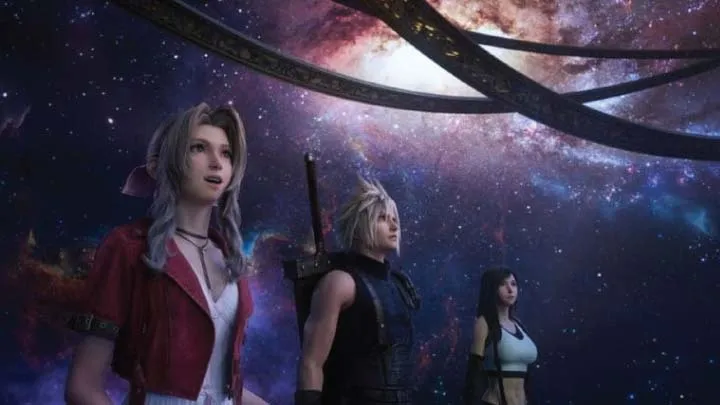
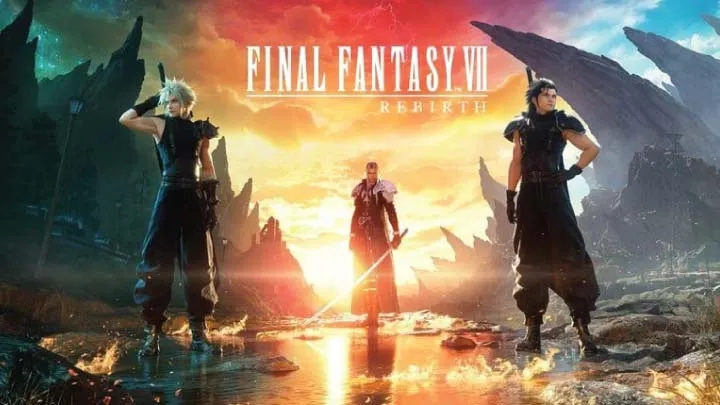
Final Fantasy VII Rebirth, the highly anticipated sequel to Final Fantasy VII Remake, continues the reimagining of the iconic story beloved by fans for decades. This installment deepens the exploration of identity, particularly focusing on how characters grapple with their past, their choices, and the definitions imposed by their environments. At its core, the game intricately examines the concept of self, as characters like Cloud Strife and Sephiroth navigate through shattered identities and conflicting realities. This article will delve into the complex issue of identity formation and transformation within the narrative, analyzing how character arcs contribute to the overarching themes of the game.
Cloud Strife: A Fragmented Hero
The Burden of Memory
Cloud Strife, the game’s protagonist, embodies the struggle of forming a coherent identity in the shadow of a traumatic past. Initially presented as a simple and stoic mercenary, his character is a tapestry of memories, traumas, and lies.
- False Memories: Early in the story, Cloud grapples with implanted memories from his mentor, Zack Fair. This not only affects his perception of himself but also creates a rift between who he believes he is and who he truly is.
- Psychological Trauma: His experiences in the Shinra military, coupled with the fallout from the Nibelheim incident, contribute to a fractured sense of self that captures the essence of a man haunted by his past.
Quest for Authenticity
Cloud's journey in Rebirth focuses on reclaiming his sense of identity amidst the chaos of conflicting memories.
- Revisiting the Past: As he revisits pivotal locations from his past, he challenges the narratives built around him. Key moments, such as his confrontation with Sephiroth or his recollections of Nibelheim, compel him to confront his trauma head-on.
- Interpersonal Relationships: Cloud’s interactions with allies, such as Aerith and Tifa, further emphasize his internal struggle, as they reflect elements of his personality that he has long suppressed.
Tifa Lockhart: The Anchor of Memory
Defining Relationships
Tifa Lockhart serves as a vital influence on Cloud’s journey, representing stability and authenticity in contrast to Cloud's confusion.
- Role as a Confidante: Tifa’s understanding of Cloud’s past makes her both a supporter and a reminder of the man he used to be. Her unwavering commitment to him challenges Cloud to confront realities he often wishes to escape.
- Emotional Depth: Through their shared history, Tifa embodies the emotional ties that anchor Cloud, pushing him towards self-discovery while highlighting her own struggles with identity.
Unveiling Her Own Struggles
While Tifa acts as a stabilizing force for Cloud, her character arc also reveals her own battles with identity.
- Personal Sacrifice: Tifa bears the weight of her own fears and insecurities, exemplified by her constant drive to protect her friends. Her internal conflict arises from the need to balance her feelings for Cloud with her sense of responsibility.
- Empathy and Understanding: Her relationship with Cloud goes beyond mere friendship; it serves as a vehicle for mutual understanding and healing, reinforcing their intertwined fates.
Sephiroth: A Complex Antagonist
The Shadow of Identity
Sephiroth, the game’s primary antagonist, presents a stark contrast to Cloud’s fragmented identity. As a character who embodies both god-like power and existential despair, he represents an alternative, albeit warped, journey of self-discovery.
- The Influencer Role: Sephiroth’s own identity crisis stems from the revelation of his origins, particularly his connection to Jenova and his search for purpose. Unlike Cloud, he embraces his identity as a remnant of Jenova’s influence, seeking to assert a dominion over humanity.
- Overpowering Presence: His encounters with Cloud highlight the duality of their identities, as Cloud struggles against an antagonist rooted in chaos while attempting to reclaim his sense of self.
Unraveling His Past
Sephiroth’s exploration of identity is deeply tied to his past, which shapes his motivations and actions throughout the narrative.
- Dynamic Backstory: His journey is informed by feelings of betrayal, loss, and isolation, adding layers to his motives. His rejection of humanity provides insight into his character arc.
- Confrontation with Cloud: The confrontations between Cloud and Sephiroth serve as plot devices that propel the narrative while revealing both characters' vulnerabilities and desires for self-definition.
The Concept of Collective Memory
Memories as Narrative Constructs
Final Fantasy VII Rebirth uses the concept of collective memory to explore how identities are shaped by societal perceptions and shared experiences.
- Shared Histories: Locations like Midgar and Nibelheim serve as physical manifestations of memory, inviting characters and players alike to confront their pasts.
- Community vs. Individuality: Characters often engage in discussions about their shared histories, prompting reflections on how collective narratives shape personal identities.
The Role of Recurring Themes
Recurring themes serve as anchors for character development, drawing attention to how memories can be both connective and divisive.
- Forgiveness and Acceptance: Many characters grapple with forgiving themselves for past actions, emphasizing that identity is not just about individual experiences but also how they are perceived by others.
- The Weight of Decisions: The choices made throughout the game reinforce the idea that identity is also a construct built upon the consequences of personal decisions and relationships.
The Impact of Choice on Self-Identity
Choice as Empowerment
One of the most compelling aspects of Final Fantasy VII Rebirth is how player choices influence character identities and the outcomes of their journeys.
- Character Agency: Each decision shapes how characters perceive themselves and their impact on the world, emphasizing the importance of individual agency in defining identity.
- Narrative Branching: The game allows for branching storylines, enabling players to explore different aspects of characters’ identities based on their choices. This structural design empowers players to engage with the narrative on a deeper level.
Ethical Dilemmas and Identity
The choices presented to players also raise ethical dilemmas that further complicate the characters’ journeys of self-discovery.
- Consequences of Actions: Players often face difficult decisions that require them to weigh personal gain against the well-being of others, forcing characters to confront their values.
- Impact on Relationships: The choices made during pivotal moments affect character relationships, leading to varying outcomes and emphasizing that identity is fluid and shaped by interactions with others.
Redemption Arcs: The Path to Self-Acceptance
The Search for Redemption
Characters like Cloud and Tifa undergo redemption arcs, which are crucial for their journeys toward self-acceptance.
- Atonement for the Past: Their paths often involve reconciling past mistakes and seeking redemption through actions that heal themselves and others.
- Role of Forgiveness: Encounters with former allies and adversaries compel them to confront what they have lost and what they need to forgive themselves to move forward.
Symbolic Actions
Key events that serve as catalysts for redemption highlight the transformative nature of identity in the narrative.
- Acts of Sacrifice: Moments of selflessness reinforce the idea that true identity is shaped not just by personal desires but also by the willingness to protect and uplift others.
- Resolution with the Past: Characters finally addressing unresolved issues represent the acceptance of their identities, leading to greater clarity and strength moving forward.
The Future of Identity in Final Fantasy VII
Anticipating New Experiences
As the narrative progresses, players are left to ponder how decisions made in Rebirth will affect future installments in the saga.
- Continuation of Arcs: The groundwork for character developments will have lasting implications, as the evolution of identities continues to unfold through future games.
- Invested Community: The sense of community among players, stemming from shared experiences and choices, perpetuates discussions about identity and moral complexity.
Paving the Way for Evolution
As characters evolve, the narrative prompts players to consider how identities can shift in response to experiences, choices, and environments.
- Cyclical Nature of Identity: The series captures the cyclical process of identity formation—how characters can regress, progress, or redefine themselves based on different influences over time.
- Legacy of Choices: The moral choices made throughout the series create a legacy that impacts future identities, illustrating the importance of reflection and growth in a character's journey.
Conclusion
Final Fantasy VII Rebirth offers an intricate examination of identity through its rich narrative and complex characters. The game invites players to reflect on the multifaceted nature of self, encouraging deep engagement with the themes of memory, choice, and redemption. As characters grapple with their pasts and forge their paths toward self-acceptance, players are prompted to confront the complexities of their moral choices and the impact those have on their identities. The journey through this reimagined world not only explores who these characters are but challenges players to consider who they are becoming, creating a significant dialogue that extends beyond the screen. Ultimately, Final Fantasy VII Rebirth stands as a poignant testament to the transformative power of identity, paving the way for deeper exploration in future installments.