Mastering Avatar World: Advanced Tip & Guides to Build Better Stories and Play Smarter
Mastering Avatar World: Advanced Tip & Guides to Build Better Stories and Play Smarter
Introduction
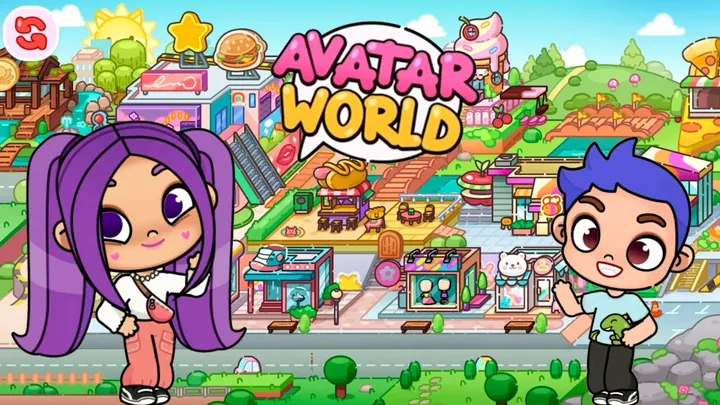
Avatar World is often perceived as a simple roleplay sandbox where players dress characters, decorate spaces, and create everyday stories. But beneath its colorful surface lies a complex creative system that rewards structure, planning, and intentional design. Many players quickly lose interest—not because the game lacks content, but because they don’t know how to use it effectively.
This guide goes beyond basic tips and dives into advanced strategies that transform Avatar World into a powerful storytelling engine. From setting up your world to maintaining long-term engagement, each section follows a progression system that mirrors how experienced players approach the game. If you want to stop playing randomly and start creating meaningful, engaging stories, this guide is for you.
1. Starting with Purpose: Avoiding Random Play
Most players begin by randomly exploring, which leads to quick burnout.
Why Random Play Fails
Without direction:
- Stories feel repetitive
- Characters lack identity
- Gameplay becomes shallow
Building a Clear Foundation
First Steps
- Choose a main theme (family, school, drama)
- Limit your starting locations
- Define 2–3 main characters
This creates focus and prevents early overwhelm.
2. Character Creation with Depth
Characters are not just avatars—they are the core of your world.
Designing Meaningful Characters
Instead of random outfits, think about:
- Personality
- Role in story
- Relationships
Character Development System
Example Structure
- Main character: drives the story
- Secondary characters: support conflict
- Background characters: add realism
Advanced Tip
Give each character:
- A goal
- A problem
- A unique trait
This instantly improves storytelling quality.
3. Building Environments That Tell Stories
Many players decorate randomly without narrative purpose.
Functional Design
Each location should serve a role:
- Home → personal life
- School → social conflict
- Café → interaction space
Environmental Storytelling
Techniques
- Place objects with intention
- Use clutter to imply activity
- Highlight key areas
A good environment communicates story before characters act.
4. Structuring Your First Storyline
The Basic Framework
Every story should have:
- Beginning
- Conflict
- Resolution
Example Story Flow
Simple Scenario
- Character starts normal day
- Problem occurs
- Solution or consequence
Avoid This Mistake
- Don’t jump between random scenes
- Don’t skip conflict
Structure keeps players engaged.
5. Using Items Creatively
Items are more flexible than they seem.
Multi-Use Objects
One item can represent many things depending on context.
Examples
Creative Uses
- Phone → secret message
- Bag → hidden item
- Food → emotional moment
Advanced Strategy
- Reuse items across stories
- Assign symbolic meaning
This expands creativity without needing new content.
6. Managing Time and Creative Energy
Playing too long without structure leads to burnout.
Smart Session Planning
Recommended Routine
- Plan story (10 minutes)
- Play scenes (20–30 minutes)
- Review and adjust
Avoid Overplaying
Signs of burnout:
- Repeating ideas
- Losing interest
- Playing without direction
Short, focused sessions improve creativity.
7. Advanced Storytelling Techniques
Adding Emotional Depth
Stories become engaging when they evoke emotion.
Techniques
Build Emotion With
- Conflict between characters
- Unexpected events
- Character reactions
Scene Transitions
- Move logically between locations
- Maintain continuity
- Avoid abrupt changes
This makes your story feel professional.
8. Avoiding Common Mistakes
Frequent Problems
- Overcrowded scenes
- Too many characters
- No clear storyline
Solutions
Fixes
- Simplify your setup
- Focus on key characters
- Plan before playing
Recognizing mistakes is key to improvement.
9. Keeping Gameplay Fresh Long-Term
The biggest challenge in Avatar World is maintaining interest.
Introduce Variety
Try New Themes
- Mystery
- Drama
- Comedy
- Fantasy
Create Challenges
- Limit items
- Change roles
- Build episodic stories
This prevents repetition and keeps gameplay exciting.
10. Developing Your Unique Style
Every advanced player has a recognizable style.
Finding Your Strength
Ask yourself:
- Do you prefer realistic stories?
- Do you enjoy dramatic plots?
- Do you like humor?
Style Development
Build Identity By
- Repeating strong elements
- Improving storytelling techniques
- Experimenting with formats
Your style makes your gameplay unique.
11. Turning Gameplay into a Creative System
From Play to Creation
Avatar World becomes more engaging when treated like a project.
Build a System
Long-Term Plan
- Weekly story arcs
- Character development
- Expanding locations
Continuous Improvement
- Analyze past stories
- Try new ideas
- Challenge yourself
This transforms the game into a long-term creative journey.
Conclusion
Avatar World is not limited by its mechanics—it is limited by how players approach it. While many treat it as a casual sandbox, experienced players understand that structure, planning, and intentional design are the keys to unlocking its full potential.
By creating meaningful characters, designing purposeful environments, and structuring your stories, you can elevate your gameplay from simple interactions to compelling narratives. The game does not provide goals, so you must create your own system—and that is where true creativity begins.
When approached correctly, Avatar World is not just a game—it is a platform for storytelling, imagination, and continuous creative growth.
Summary (110 characters)
Master Avatar World with structured storytelling, smart design, and creativity to avoid burnout and stay engaged.