Dying Light – How Parkour, Survival, and Fear Built One of Gaming’s Most Enduring Zombie Worlds
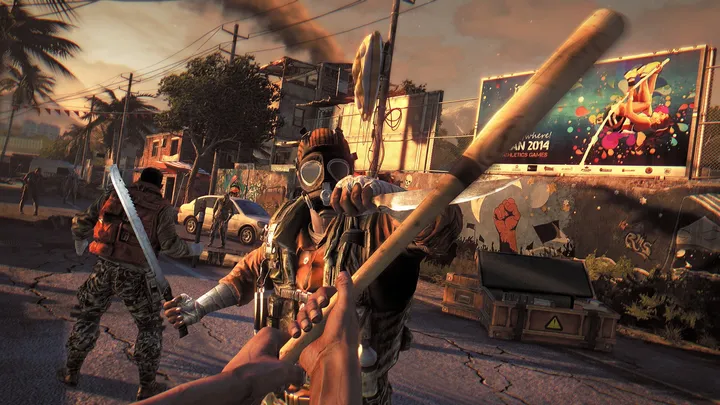
Few zombie games have managed to feel as immediate, physical, and memorable as Dying Light. While the genre has often relied on familiar ideas such as scavenging, crafting, and undead hordes, Dying Light distinguished itself through movement. It did not simply ask players to survive a city overrun by infection. It asked them to run across rooftops, leap over collapsing structures, vault through broken windows, and make split-second decisions while death chased from every direction.
That simple shift changed everything.
At its core, Dying Light is a survival action game built around motion, tension, and improvisation. Set in the quarantined city of Harran, the game places players in a hostile urban environment where the infected are dangerous by day and truly terrifying by night. What begins as a mission-driven outbreak story quickly becomes something more layered: a tale about control, collapse, desperation, and the thin line between heroism and survival.
This feature takes a deep look at what makes Dying Light endure. From its parkour identity and combat design to its atmosphere, storytelling, worldbuilding, and legacy, the game remains one of the most distinctive entries in the zombie genre.
A City Built for Running
Why Movement Became the Game’s True Hero
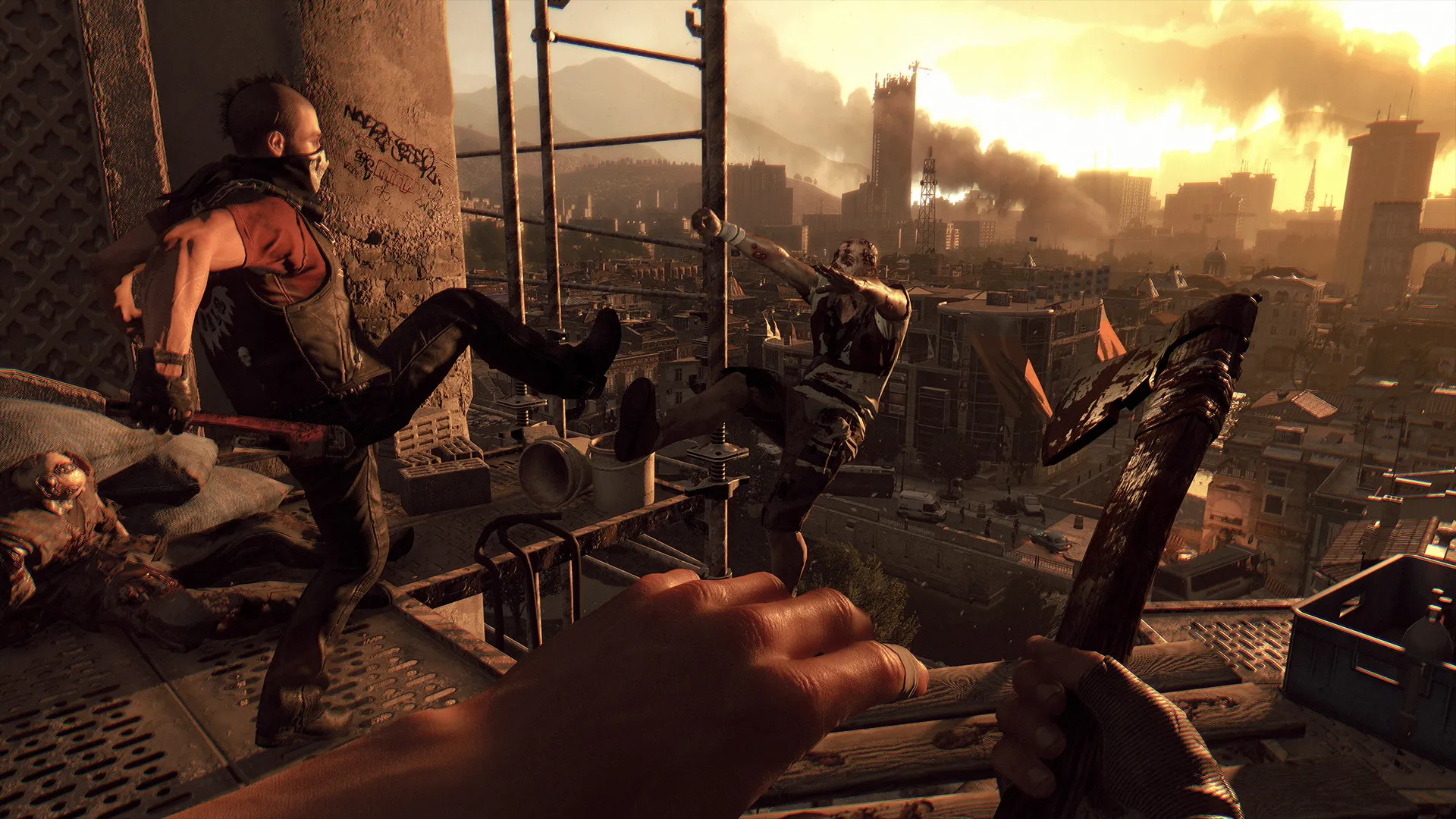
The defining achievement of Dying Light is not its zombies. It is not even its weapons. It is the feeling of moving through Harran.
Most survival horror games slow players down. They trap them in narrow corridors, burden them with limited mobility, and force caution through vulnerability. Dying Light takes the opposite path. It creates fear not through helplessness, but through momentum. You are mobile, agile, and capable, but the city is dangerous enough that your speed becomes a necessity rather than a luxury.
Running across rooftops feels liberating, but it is also tactical. Streets are crowded with infected. Rooftops offer escape routes, vantage points, and short moments of control. Parkour is not decorative movement. It is survival language.
The rhythm of traversal
Movement in Dying Light works because it has rhythm. Players quickly learn to:
- sprint across ledges
- climb drainpipes
- vault obstacles
- slide under barriers
- jump between rooftops
- turn falls into recoverable mistakes
This creates a constant sense of improvisation. Even routine travel becomes engaging because the city itself is a playground built on danger.
Why Harran feels different from other open worlds
Many open worlds are wide. Harran feels vertical, dense, and personal. Its layout encourages decision-making at every second. A narrow alley may lead to supplies, but also to entrapment. A rooftop may provide safety, but it may also dead-end. A leap may save your life, or end it.
That tension gives the city personality. Harran is not just a backdrop for missions. It is a living obstacle course shaped by panic and decay.
The Day and Night System That Redefined Fear
Daytime survival versus nighttime terror
One of the smartest choices in Dying Light is the dramatic contrast between day and night. By day, the city feels dangerous but manageable. Biters roam streets in large numbers, human enemies create territorial threats, and resources remain scarce. The player is pressured, but not overwhelmed.
At night, the entire emotional logic of the game changes.
Darkness does not just reduce visibility. It changes behavior. More dangerous infected emerge, the mood becomes oppressive, and every sound suddenly matters more. What was once a navigable city becomes a hunting ground.
Volatiles and the psychology of pursuit
The introduction of Volatiles is one of the game’s most effective horror design choices. These fast, aggressive nocturnal predators transform nighttime exploration into a test of nerve. They force players to think differently, move differently, and respect the city in new ways.
Night in Dying Light works because fear is attached to systems, not scripted moments. The danger is dynamic. Being seen can trigger pursuit. A chase can spiral. Panic can lead to mistakes. Mistakes can become death.
Risk and reward
The game smartly ties progression to nighttime activity. Venturing out after dark offers bonuses and better gains, which means fear becomes something the player is invited to confront rather than simply avoid.
This system creates a meaningful question: do you play safe, or do you risk everything to grow stronger?
That tradeoff is one of the reasons Dying Light remains compelling. It turns courage into gameplay.
Combat That Feels Desperate, Heavy, and Improvised
Melee as survival, not power fantasy
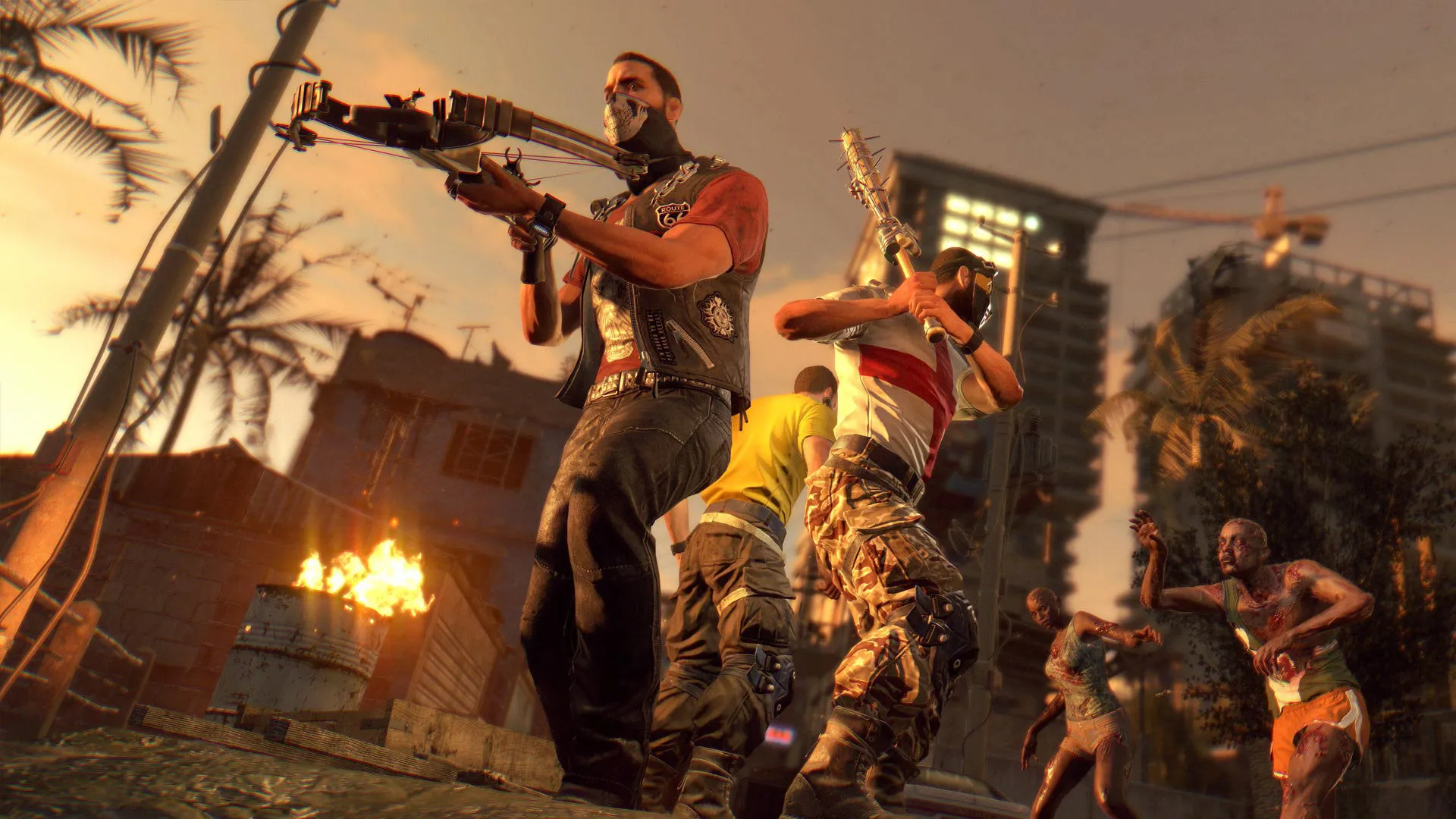
Combat in Dying Light is messy in the best way. Weapons break. Enemies crowd. Stamina matters early. Positioning is crucial. Fights often feel less like domination and more like frantic problem-solving.
That tone suits the setting. This is not a military shooter where the player is fully equipped to erase threats. In the early game especially, every blunt pipe, wrench, knife, or jury-rigged blade feels like a temporary answer to a permanent disaster.
Weapon feel and brutality
Hits in Dying Light have satisfying physicality. Limbs react, bodies stagger, and improvised tools carry rough force. As players progress, weapons become stronger and more creative, but the game rarely loses its sense of physical struggle.
Combat is strongest when it makes players balance:
- weapon durability
- crowd control
- stamina or spacing
- environmental hazards
- retreat routes
Infected are dangerous not simply because they deal damage, but because they can overwhelm momentum.
Human enemies and tactical variation
The human enemy encounters introduce a different tempo. Unlike infected, human opponents block, evade, and force players to think about timing. These fights can be frustrating at times, but they serve an important purpose: they prevent the combat loop from becoming too predictable.
Human conflict also reinforces the game’s broader worldview. In disaster settings, the infected are only part of the problem. Scarcity, greed, and power struggles are just as threatening.
Harran as a World of Collapse
A city with layered identity
Harran is more than an outbreak zone. It is a place shaped by class, neglect, and fragmentation. Different districts communicate different moods, from cramped residential blocks and improvised safe zones to ruined commercial spaces and heavily contested areas.
The city feels believable because its destruction is uneven. Some places look hastily abandoned. Others feel violently contested. Others still appear to continue functioning under desperate new rules.
Environmental storytelling
Much of Dying Light’s worldbuilding happens through environment rather than exposition. Players absorb the collapse through:
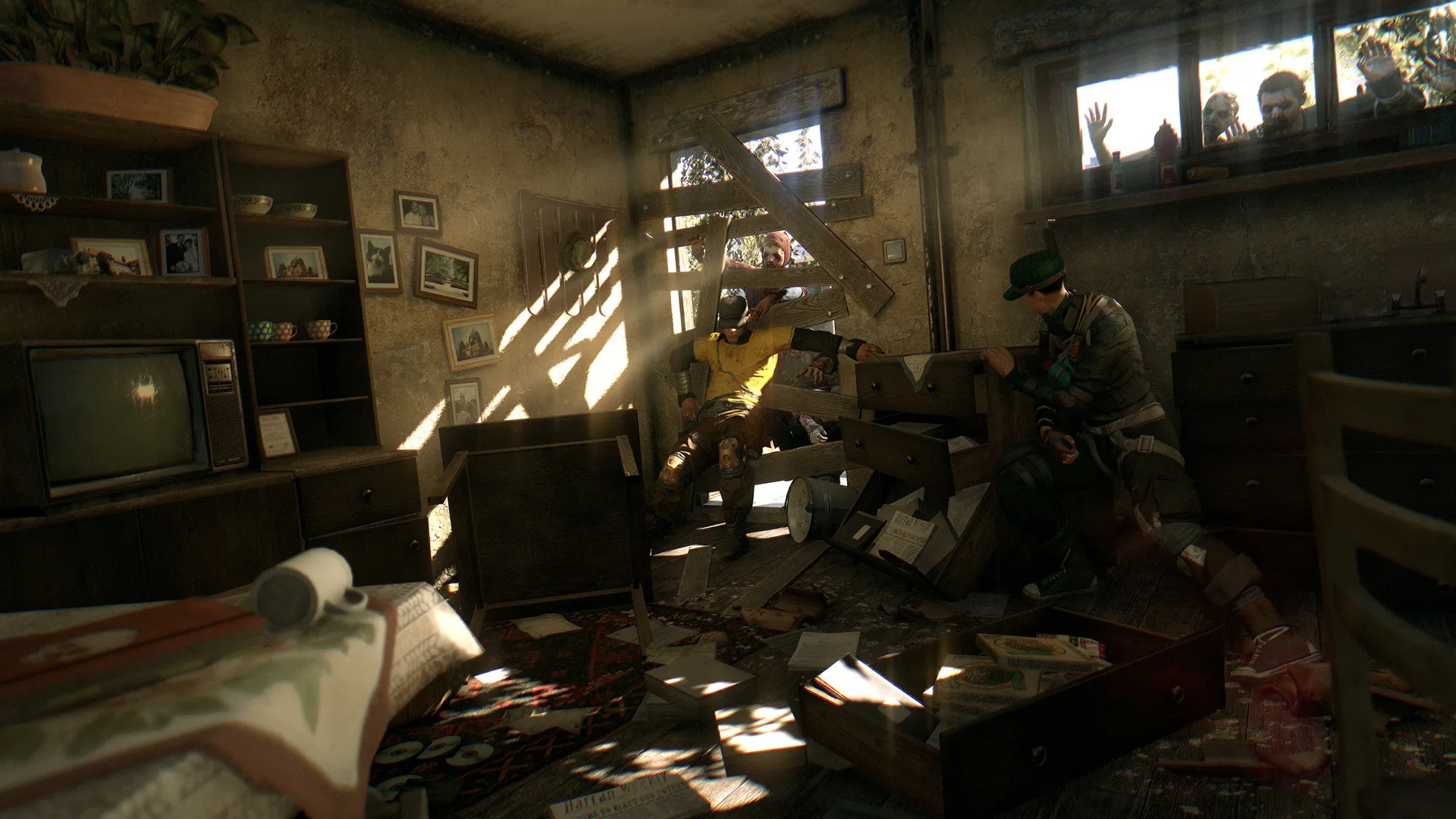
- barricaded interiors
- emergency rooftops
- looted pharmacies
- quarantine signage
- improvised clinics
- propaganda and survivor messages
These details matter because they suggest the human timeline of the outbreak. Panic happened here. Resistance happened here. Betrayal happened here.
The emotional geography of survival
Safe houses are especially important to the game’s emotional structure. They are not just checkpoints. They are breathing spaces. After long stretches of pursuit and danger, reaching UV-lit shelter feels genuinely relieving.
This emotional contrast is one of the game’s quiet strengths. It understands that tension works better when safety feels earned.
Kyle Crane and the Story of Moral Erosion
A protagonist between duty and empathy
Kyle Crane begins as an operative entering Harran on assignment, but his role becomes morally complicated almost immediately. He is caught between institutional objectives and the reality of the people living inside the quarantine.
What makes Crane work is not that he is wildly original. It is that his arc fits the world. He enters with a mission-oriented mindset, but prolonged exposure to Harran forces him to confront human consequences rather than abstract goals.
Conflict between orders and conscience
The game repeatedly frames survival not just as a physical challenge, but as a moral one. Crane is pushed to choose between obedience, pragmatism, compassion, and sacrifice. That tension helps elevate the narrative beyond basic outbreak plotting.
The function of supporting characters
Many supporting characters in Dying Light are written to embody specific survival responses:
- leadership under pressure
- opportunism
- faith or denial
- scientific obsession
- authoritarian control
These figures may not all be equally deep, but together they create a fractured social map of Harran. The outbreak is not just biological. It is political and psychological.
The Infected as More Than a Generic Horde
Different infected, different anxieties
The infected in Dying Light are memorable because they are varied both mechanically and atmospherically. Basic Biters establish the world’s background pressure, while faster infected and night predators introduce spikes of terror and urgency.
Each major infected type changes player behavior. Some slow you down. Some punish carelessness. Some force flight. This constant adaptation keeps the world from becoming static.
Why the infected feel dangerous even late
Even when players become more powerful, the infected retain presence because the game continues to value numbers, mobility, and environmental risk. A weak enemy in the wrong setting can still be deadly. A fall, a corner, or a broken weapon can turn confidence into disaster fast.
That balance helps Dying Light maintain tension better than many progression-heavy survival games.
Crafting, Looting, and the Joy of Improvisation
Scavenging as identity
Looting in Dying Light supports the fantasy of urban survival. Players search apartments, vans, chests, workshops, and hidden corners for materials that can become medkits, lockpicks, weapon mods, and throwable tools.
This loop works because it rarely feels disconnected from the world. You are not gathering abstract numbers. You are tearing useful scraps from a dead city.
Crafting and customization
Crafting lets players shape their style around available resources. A basic weapon can become electrified, bladed, burning, or otherwise modified into something more effective and personal.
These systems are satisfying because they turn scarcity into creativity. Instead of merely finding perfect gear, players often build functional brutality out of whatever they have.
Why The Following Expanded the Game’s Identity
A wider landscape and a different tempo
The Following stands as one of the most important expansions attached to a zombie game because it does not just add content. It meaningfully changes the experience. By moving into a broader rural zone and introducing vehicles, it reinterprets what Dying Light can be.
The base game is about dense urban movement. The Following explores distance, speed, and exposure differently. Open fields create different sightlines, different risks, and different navigation choices.
The buggy as survival tool
The buggy is not just a fun feature. It becomes an extension of the game’s survival logic. It must be maintained, upgraded, and used intelligently. It provides mobility and power, but it also creates noise, dependence, and vulnerability.
This makes the expansion feel like a thoughtful evolution rather than an unrelated add-on.
Atmosphere, Audio, and the Feeling of Constant Threat
Sound design as pressure
Sound is central to Dying Light’s power. Distant screams, infected groans, rooftop wind, sudden chase music, and nighttime audio cues all help regulate emotion. Players often know danger before they fully see it.
This matters in a game built around movement. Sound becomes part of navigation, part of fear, and part of survival instinct.
Visual mood and urban decay
Visually, Dying Light captures a strong sense of heat, dust, collapse, and exposure. Sunlit rooftops and grim interiors create different emotional textures, while nighttime lighting transforms familiar locations into hostile unknowns.
The contrast between bright daytime traversal and black-blue nocturnal panic remains one of the game’s strongest aesthetic signatures.
What Dying Light Did Better Than Most Zombie Games
It gave the genre physicality
Many zombie games are about endurance. Dying Light is about momentum. That distinction gave the genre fresh energy. You do not just survive the apocalypse. You move through it with urgency and skill.
It made fear systemic
Night is scary not because the game tells you it is scary, but because its systems make darkness matter. Chases, predators, visibility, and rewards all work together.
It balanced empowerment with vulnerability
Players can become strong, but never invincible in a way that empties the world of tension. That balance is hard to achieve, and Dying Light often gets remarkably close.
It made the city memorable
Harran is one of the great survival sandboxes because it is readable, dangerous, and emotionally textured. It invites mastery without ever feeling tame.
The Legacy of Dying Light
A major modern zombie landmark
Dying Light earned long-term affection because it understood something fundamental: zombie fiction is not just about monsters. It is about pressure on human systems, pressure on the body, and pressure on decision-making. By combining parkour, scavenging, combat, and dynamic fear, the game built a formula that felt uniquely alive.
Its influence can be felt in later games that tried to make traversal more central, open worlds more tactile, or survival horror more dynamic.
Why players still return
Players return to Dying Light because the core loop remains strong. Running across rooftops at sunset still feels good. Night chases still create adrenaline. Improvised weapons still feel satisfying. Harran still feels hostile in a way that many open worlds do not.
That kind of staying power is not accidental. It comes from mechanics that support mood, and mood that supports mechanics.
Conclusion
Dying Light remains one of the most successful examples of how to reinvent a familiar genre without abandoning what makes it compelling. It takes the well-worn zombie apocalypse and injects it with motion, verticality, and real mechanical tension. The result is a game where survival feels physical, fear feels dynamic, and the city itself becomes both weapon and threat.
Its greatest achievement is the way everything connects. Parkour is not separate from horror. Combat is not separate from scavenging. Day and night are not cosmetic changes. Harran is not just scenery. Every system reinforces the others, creating an experience that feels cohesive, intense, and deeply replayable.
For players who want more than another outbreak story, Dying Light offers something sharper: a survival game where movement is hope, darkness is strategy, and every rooftop is one decision away from disaster.